Elevating Halloween Decor with a Skull Paper Cutting 3D Shadow Box
The evolution of seasonal decoration has moved far beyond the plastic skeletons and mass-produced inflates of decades past. Today's creators, homeowners, and design enthusiasts seek depth, texture, and narrative in their displays. This shift toward artisanal quality is where the Skull Paper Cutting 3D Shadow Box finds its relevance. It is not merely a craft project; it is a mesmerizing masterpiece that brings the haunting beauty of a graveyard and the mysterious allure of a haunted castle to life within the confines of a modern living space.
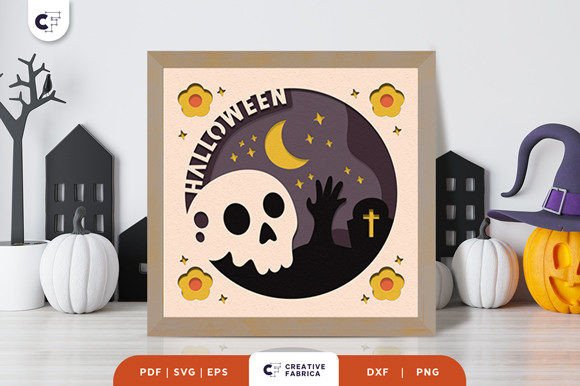
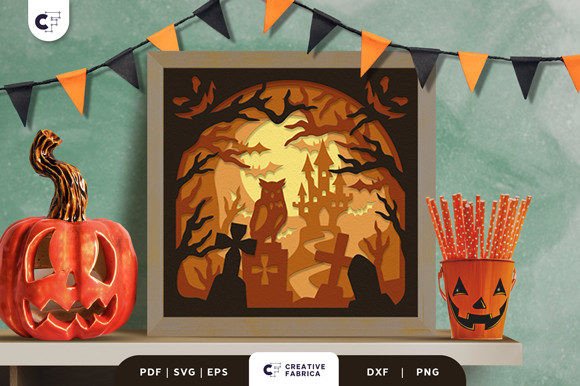
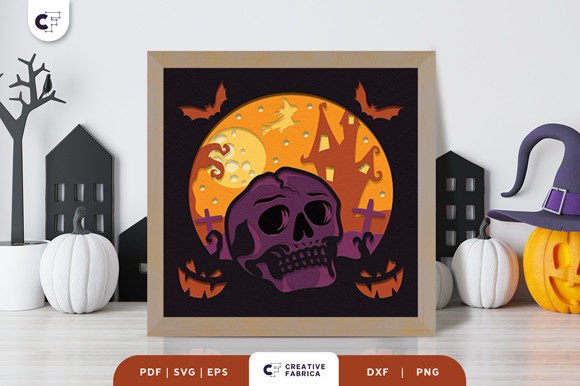
In an era where digital fabrication tools have become accessible to hobbyists and professionals alike, the barrier to creating gallery-quality art has lowered significantly. This specific design depicts a 3D structure of a broken skull, adorned with bats and encased in a pumpkin frame, offering a sophisticated alternative to traditional spooky decor. The appeal lies in the intersection of old-world gothic aesthetics and new-world precision technology.
The Convergence of Digital Craft and Traditional Aesthetics
The resurgence of paper crafting is driven by a desire for tangible experiences in an increasingly digital world. However, the modern approach differs from the scissors-and-glue methods of the past. The Skull Paper Cutting 3D Shadow Box represents a workflow that fits seamlessly into contemporary creative practices. It is designed for efficiency without sacrificing artistic integrity.
For the modern maker, time is a valuable currency. This project acknowledges that reality by being engineered for digital cutting machines. Whether you utilize a Cricut or a Siser, the design is optimized for these tools, ensuring clean cuts and precise layering. This compatibility reflects a broader trend in the maker community: the expectation that digital files must be ready-to-use, reliable, and adaptable to various hardware setups.
The design itself consists of eight distinct layers. In the context of shadow box art, layering is the mechanism that creates depth. Each layer casts a subtle shadow on the one beneath it, transforming a flat sheet of paper into a volumetric scene. This technique mimics the architectural depth of a haunted castle or the recessed niches of a crypt, providing a visual experience that changes as light moves across the surface throughout the day.
Technical Specifications and Material Considerations
Success in paper crafting often hinges on material selection. The structural integrity of a multi-layered piece relies heavily on the weight and stiffness of the cardstock. For this project, the recommended medium is Encore Cardstock 80 lb cover (216 gsm). This specific weight is crucial; it is heavy enough to hold its shape and support the adhesive bonds between layers without warping, yet pliable enough to be cut cleanly by digital blades.
Using lighter paper may result in a flimsy final product that fails to maintain the intended 3D perspective, while heavier board might strain the cutting machine or require multiple passes that compromise edge quality. The dimensions of the finished piece are 20.32×20.32 cm, making it a versatile size for shelves, mantels, or wall mounting. It occupies enough space to be a focal point without overwhelming smaller rooms.
Assembly requires more than just cutting; it demands strategic adhesion. The use of PVA glue and 3D tape is specified for a reason. PVA glue provides a strong, permanent bond for structural elements, while 3D tape is essential for creating the physical spacing between layers. This spacing is what generates the "shadow" effect. Without adequate separation, the layers would merge visually, flattening the image and losing the eerie depth that defines the piece.
Versatility in File Formats for Modern Workflows
A significant advantage of this digital asset is its compatibility across a wide range of software and hardware ecosystems. The file is available in SVG, PDF, EPS, PNG, and DXF formats. This variety ensures that whether you are a graphic designer using vector software, a hobbyist using proprietary cutting machine apps, or an educator preparing a lesson on geometry and art, the file is accessible.
- SVG: Ideal for web-based cutting machine software, allowing for easy scaling and color manipulation before cutting.
- PDF: Perfect for standard printing and manual tracing if digital cutters are unavailable.
- EPS & DXF: Essential for professional vector editing suites and industrial cutting plotters.
- PNG: Useful for previewing the design or incorporating it into digital mockups and marketing materials.
This multi-format approach caters to the diverse needs of the current market. Freelancers and small business owners can integrate these designs into their product lines with confidence, knowing the files will work regardless of their specific tech stack. It removes friction from the creative process, allowing the user to focus on assembly and display rather than troubleshooting file compatibility.
Practical Implications for Creators and Businesses
For entrepreneurs in the handmade sector, projects like the Skull Paper Cutting 3D Shadow Box offer a viable product opportunity. The demand for unique, hand-assembled home decor continues to grow as consumers move away from fast furniture and generic big-box store items. There is a marked preference for goods that show evidence of human effort and artistic intention.
Creating these shadow boxes allows for customization that mass production cannot match. While the cut pattern remains consistent, the choice of paper color, texture, and finish allows each creator to imprint their style onto the work. One might choose stark black and white for a classic look, or deep purples and oranges to lean into traditional Halloween palettes. This flexibility enables creators to target niche markets or coordinate with specific interior design themes.
Furthermore, the educational value of such projects should not be overlooked. For educators and workshop leaders, this serves as an excellent introduction to spatial reasoning, layering techniques, and the operation of digital fabrication tools. It bridges the gap between art history—referencing the intricate cut-paper traditions of various cultures—and modern STEM skills involved in operating CNC-style cutters.
Executing the Project: From File to Finished Art
The journey from a digital file to a physical masterpiece involves a few critical steps. First, ensure your digital cutting machine is calibrated correctly for the 216 gsm cardstock. Test cuts on scrap pieces of the same material are highly recommended to determine the optimal pressure and blade depth. Once the eight layers are cut, organization is key. Labeling each layer or keeping them in sequential order prevents confusion during assembly.
When applying adhesives, patience yields the best results. Apply 3D tape or foam spacers consistently to maintain uniform depth between layers. Inconsistent spacing can distort the perspective of the broken skull and the surrounding bats. Take care to align the registration marks or visual cues precisely; even a millimeter of misalignment can be noticeable in a high-contrast design.
It is important to note that the images seen in previews serve as a guide for the design's potential, but the final product's appearance will depend on your material choices. Lighting sources in your display area will also interact with the paper color and texture, creating dynamic shadows that shift throughout the day. This interactivity adds a layer of life to the static object, reinforcing the "haunting" atmosphere it is designed to evoke.
For those looking to source the appropriate materials, selecting the right cardstock is paramount. The recommended Encore Cardstock ensures durability and a premium finish. You can explore suitable options by visiting the 12×12 Cardstock Shop. Please note that this is a paid link at no extra cost to you, supporting the curation of quality resources for your projects.
Final Thoughts on Seasonal Crafting
The Skull Paper Cutting 3D Shadow Box is more than a seasonal decoration; it is a testament to the capabilities of modern crafting. It combines the eerie charm of Halloween with the precision of digital design, resulting in a piece that feels both timeless and contemporary. Whether you are a seasoned crafter looking to expand your portfolio, a business owner seeking unique inventory, or a homeowner wanting to elevate your autumn decor, this project offers a rewarding and visually striking outcome.
By embracing tools like Cricut and Siser, and utilizing high-quality materials, you transform simple sheets of paper into a dimensional narrative. The result is a haunting masterpiece that captures the imagination, proving that with the right design and execution, paper can be just as impactful as any other medium. Get yours today and illuminate your space with the mysterious charm of this detailed creation.