Elevating Visual Storytelling with a 3D Realistic Group of White Podium Stand
In the fast-paced world of digital marketing and creative design, the first few seconds of visual engagement often determine the success of a campaign. As audiences become increasingly sophisticated, the demand for clean, professional, and high-quality imagery has never been higher. This is where the concept of a 3D realistic group of white podium stand becomes an indispensable asset for creators. These minimalistic yet powerful visual elements provide a neutral, elegant stage that allows products to take center stage without distraction. Whether you are launching a new skincare line, showcasing luxury jewelry, or presenting a tech gadget, the ability to place your subject on a pristine, professionally rendered platform can significantly enhance perceived value.
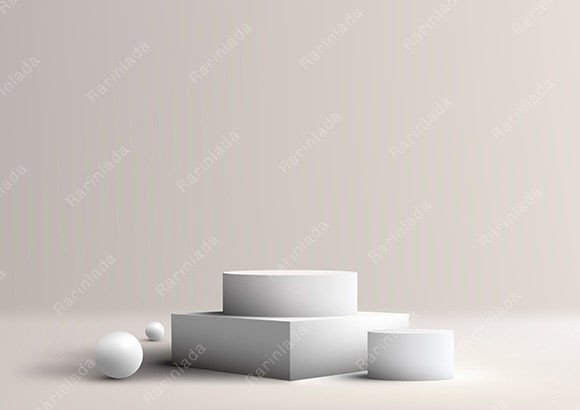
The shift toward minimalism in design is not merely a fleeting trend; it is a response to information overload. Consumers are bombarded with colorful, chaotic advertisements daily. A clean podium stand set against a white studio room background offers a visual breath of fresh air. It signals clarity, purity, and confidence in the product being displayed. By utilizing a 3D realistic group showcasing white balls on a clean podium stand, designers can introduce subtle geometric interest and depth while maintaining that crucial sense of order. This approach aligns perfectly with modern user expectations, where authenticity and aesthetic precision are paramount.
The Evolution of Product Presentation in Digital Workflows
Historically, achieving this level of realism required expensive photography studios, professional lighting setups, and physical props. Photographers would spend hours arranging lights to eliminate shadows and ensure the white background remained pure. Today, the workflow has evolved dramatically. The integration of high-resolution vector illustration and 3D rendering assets into standard design processes has democratized access to premium visuals. Professionals no longer need to schedule physical shoots for every variation of a product; instead, they can leverage digital assets that offer consistency and flexibility.
This evolution reflects a broader change in business needs and creative practices. Entrepreneurs and small business owners often operate with lean teams and tight budgets. The ability to download a file that is 100% vector and fully editable means that a single asset can be adapted for countless campaigns. You can resize the podiums, change the arrangement of the white balls, or adjust the perspective to fit different social media formats without losing quality. This adaptability is crucial in an era where content must be repurposed across websites, email newsletters, Instagram stories, and print catalogs simultaneously.
Furthermore, the technology behind these assets has matured. Modern files are delivered in high resolutions, such as 300 DPI, ensuring that they look crisp on retina displays and sharp in printed brochures alike. The absence of watermarks and the inclusion of fully editable layers mean that the designer retains complete creative control. This level of fidelity bridges the gap between conceptual mockups and final production assets, allowing for faster iteration and quicker time-to-market for new products.
Why Minimalism and Negative Space Matter Now
The design philosophy underpinning the 3D realistic group of white podium stand is rooted in the effective use of negative space. In a cluttered digital environment, white space is not empty; it is an active design element that guides the viewer's eye. When a product is placed on a clean, white platform within a white studio environment, the lack of visual noise forces the audience to focus entirely on the item itself. This is particularly effective for industries where detail matters, such as cosmetics, electronics, and high-end fashion.
Consider the psychological impact of the color white. It is universally associated with cleanliness, simplicity, and sophistication. By incorporating a minimalistic approach and creative use of space, brands can subconsciously communicate these values to their customers. The addition of spherical elements, like the white balls often seen in these compositions, adds a dynamic touch. These geometric forms break the monotony of flat surfaces, creating shadows and highlights that give the scene volume and life, all while adhering to a strict monochromatic palette.
For marketers and bloggers, this aesthetic versatility is a game-changer. It allows for the creation of cohesive brand identities where the visual language remains consistent regardless of the specific product being featured. Instead of redesigning the entire background for each new launch, the core asset—the podium group—remains a stable foundation. This consistency builds brand recognition over time, as audiences begin to associate that specific clean, elevated look with your company's quality standards.
Practical Applications for Creators and Businesses
The utility of these assets extends far beyond simple product photography replacements. For educators creating online courses, these podiums can serve as stages for highlighting key tools or resources. Freelancers can use them to build impressive portfolio pieces that demonstrate an understanding of modern design trends. Even hobbyists looking to sell handmade goods on platforms like Etsy can elevate their listings from amateur snapshots to professional-grade advertisements by digitally placing their items on these stands.
From a technical standpoint, the format of these files is designed for maximum compatibility. Receiving designs in EPS Version 10 and JPG formats ensures that they are readable by a wide range of vector-based graphic programs. Whether you prefer Adobe Illustrator, Corel Draw, or other industry-standard software, the ability to edit the vectors means you are not locked into a static image. You can recolor elements if your brand guidelines shift, although the classic white-on-white aesthetic often requires no modification to be effective.
Let's look at a realistic scenario: A startup launching a new line of organic serums. They need imagery for their website header, social media ads, and packaging inserts. Hiring a photographer for a day might cost thousands of dollars and yield limited angles. By utilizing a 3D realistic group showcasing white balls on a clean podium stand, they can instantly generate multiple variations. They can place the serum bottle on the highest tier for emphasis, surround it with the geometric spheres for texture, and export the result in high resolution. The result is a cohesive visual strategy executed at a fraction of the cost and time.
Key Benefits of Using Editable Vector Assets
- Scalability: Being 100% vector, the graphics can be scaled up to billboard size or down to a mobile icon without any pixelation or loss of detail.
- Customization: Fully editable layers allow designers to tweak lighting effects, move objects, or integrate specific branding elements seamlessly.
- Efficiency: High-resolution files (300 DPI) ready for immediate use reduce the turnaround time for design projects significantly.
- Versatility: Suitable for both digital screens and print media, making them a dual-purpose investment for comprehensive marketing strategies.
- Professionalism: The realistic 3D rendering provides a polished look that instills trust and credibility in potential customers.
Adapting to Future Design Trends
As we look toward the future of visual content, the line between photography and digital illustration continues to blur. The 3D realistic group of white podium stand represents the convergence of these two worlds. It offers the tactile realism of a photograph with the malleability of a digital drawing. This hybrid approach is likely to dominate as businesses seek more sustainable and agile ways to produce content. Physical photoshoots have a carbon footprint involving travel, shipping of products, and waste generation. Digital assets offer a greener alternative that aligns with the growing corporate emphasis on sustainability.
Moreover, the rise of augmented reality (AR) and virtual shopping experiences means that having high-quality 3D assets is becoming a prerequisite rather than a luxury. While these specific vector illustrations are primarily for 2D composition, the aesthetic they establish—clean, lit, and dimensional—sets the stage for more immersive 3D web experiences. Brands that master this clean, studio-like aesthetic now are building the visual foundation for the metaverse and interactive commerce of tomorrow.
For the curious reader or the seasoned professional, the takeaway is clear: the tools available today empower us to create work that was once reserved for large agencies. The availability of no watermark, fully editable files levels the playing field. It allows a solo entrepreneur to compete visually with established giants by adopting the same standards of clarity and elegance. The creative use of space found in these designs is not just about aesthetics; it is a strategic choice to communicate value in a noisy marketplace.
In conclusion, integrating a 3D realistic group of white podium stand into your creative toolkit is a smart, forward-thinking move. It addresses the modern need for speed, quality, and adaptability. Whether you are refining a brand identity, launching a product, or simply exploring new design horizons, these assets provide the perfect canvas. They remind us that sometimes, less truly is more, and that the most powerful statement a brand can make is one of quiet confidence, presented on a stage that lets the product speak for itself. With formats like EPS and JPG ensuring broad compatibility, there has never been a better time to elevate your visual content with the precision of 3D realism and the flexibility of vector art.