Crafting a Thanksgiving Apple Pie 3D Shadow Box for Holiday Decor
Thanksgiving decor often leans heavily on the traditional, relying on cornucopias, turkeys, and autumn leaves to set the seasonal tone. While these elements are timeless, there is a growing demand among creators and hobbyists for projects that offer depth, texture, and a modern twist on classic imagery. The Thanksgiving Apple Pie 3D Shadow Box represents a compelling intersection of nostalgic comfort food aesthetics and contemporary paper crafting techniques. For those looking to elevate their holiday display or offer a unique handmade gift, this project provides a structured yet flexible framework for creative expression.
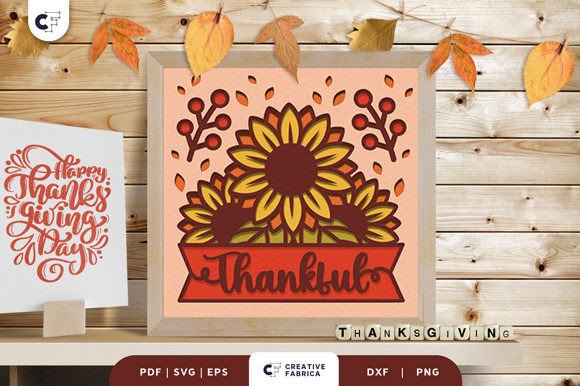
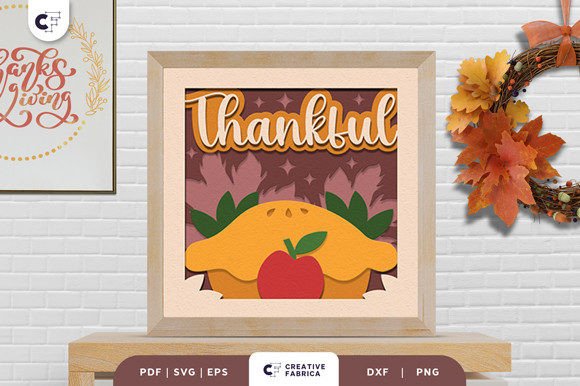
This specific design centers on a slice of apple pie, rendered in layered cardstock to create a tangible sense of volume. Unlike flat prints or simple cutouts, the shadow box format utilizes multiple strata of material to simulate the height of a crust, the filling, and the decorative script. The inclusion of the word "Thankful" in a beautiful script font anchors the piece thematically, ensuring it serves not just as food art, but as a statement of gratitude appropriate for the season. For professionals in the crafting industry, educators teaching design principles, or serious hobbyists seeking a weekend project with high visual impact, understanding the mechanics and potential of this asset is essential.
Technical Specifications and Material Requirements
To execute this project effectively, one must first understand the technical demands placed on the materials and tools. The design is optimized for digital cutting machines, which suggests a workflow that prioritizes precision and repeatability. The file formats provided—SVG, PDF, EPS, PNG, and DXF—indicate a high level of compatibility across various software ecosystems, from Silhouette Studio and Cricut Design Space to professional vector editors like Adobe Illustrator. This versatility is crucial for users who may operate within different technological environments or who require specific file types for commercial licensing purposes.
The design consists of eight distinct layers. In the realm of paper crafting, an eight-layer structure is significant; it provides sufficient depth to create a convincing 3D effect without becoming so thick that the assembly becomes unwieldy or the shadow box frame too deep. The finished size is approximately 20.32×20.32 cm (roughly 8x8 inches), making it a compact yet substantial piece suitable for shelf displays, mantle arrangements, or framed wall art.
Material selection plays a pivotal role in the final outcome. The recommendation to use 65 lb cardstock in autumn colors is practical. This weight offers enough rigidity to hold its shape when layered with foam tape or craft glue, yet remains pliable enough for intricate weeding if the design includes fine details in the crust lattice or script lettering. For those seeking a premium finish, Encore Cardstock 80 lb cover (216 gsm) is noted as a high-quality option. Heavier stock can enhance the durability of the piece and provide a more luxurious tactile experience, though crafters should verify that their specific cutting machine can handle the increased density without compromising cut quality.
Evaluating the Design Aesthetic and Assembly Process
The visual appeal of the Thanksgiving Apple Pie 3D Shadow Box lies in its ability to translate a two-dimensional concept into a three-dimensional object through layering. The process begins with processing the SVG on a cutting machine, followed by the meticulous task of weeding excess material. This stage requires patience and the right tools; fine-tipped weeding tools are essential for preserving the integrity of delicate script fonts and the intricate patterns often found in pie crust designs.
Assembly is where the project transforms from a collection of paper shapes into a cohesive work of art. Using foam tape between layers creates the necessary elevation, casting subtle shadows that define the contours of the pie slice and the lettering. This technique mimics the look of carved wood or molded clay but at a fraction of the cost and with significantly less mess. For educators or workshop leaders, this assembly process offers an excellent opportunity to teach concepts of spatial reasoning, color theory, and structural adhesion.
It is important to note that while the digital files provide the blueprint, the final aesthetic is heavily influenced by the creator's choices in color palette. The prompt suggests autumn colors, which typically include warm oranges, deep reds, golden yellows, and earthy browns. However, the flexibility of the vector files allows for experimentation. A monochromatic scheme using varying shades of cream and beige could yield a sophisticated, minimalist look, while a vibrant, high-contrast palette might appeal to a younger audience or a more festive setting. This adaptability ensures that the project can be tailored to fit diverse interior design styles.
Practical Applications and Target Audience
Who benefits most from integrating this Thanksgiving Apple Pie 3D Shadow Box into their workflow? The primary audience includes small business owners in the handmade goods sector, particularly those selling seasonal decor on platforms like Etsy. The scalability of digital cut files means a creator can produce multiple units efficiently, provided they have the inventory of cardstock and packaging. The professional presentation of the finished product, especially when using high-grade cardstock, supports a higher price point compared to simpler paper crafts.
Bloggers and content creators also find significant value in such projects. A step-by-step tutorial featuring the assembly of this shadow box can drive engagement during the pre-Thanksgiving rush. The visual nature of the final product is highly shareable on social media platforms like Pinterest and Instagram, where aesthetic home decor content performs exceptionally well. Furthermore, the availability of multiple file formats allows these creators to offer the digital file itself as a product, catering to the growing market of DIY enthusiasts who own cutting machines but lack design time.
In educational settings, this project serves as a practical exercise in fine motor skills and following sequential instructions. The requirement to align eight layers accurately teaches precision, while the choice of colors encourages creative decision-making. For family gatherings, assembling these boxes can become a new tradition, allowing multiple generations to collaborate on a tangible keepsake that commemorates the holiday.
Quality Considerations and Limitations
While the Thanksgiving Apple Pie 3D Shadow Box offers numerous advantages, realistic expectations regarding production are necessary. One limitation to consider is the dependency on lighting conditions for the final presentation. As with any shadow box, the interplay of light and shadow defines the depth. In dimly lit rooms, the nuanced layering may be lost, reducing the visual impact to that of a flat image. Therefore, placement near a light source or the addition of small LED strips within the frame can enhance the 3D effect.
Additionally, color consistency is a variable that creators must manage. Digital previews on screens often differ from the physical output due to monitor calibration and printer profiles. The note that "actual final product color may slightly vary" is a standard disclaimer, but it underscores the importance of ordering physical swatches of cardstock, such as the recommended Encore brand, before committing to a large production run. Relying solely on screen representations can lead to mismatched tones that detract from the professional finish of the piece.
Durability is another factor. Paper, regardless of weight, is susceptible to environmental factors like humidity and direct sunlight, which can cause fading or warping over time. For long-term value, framing the completed shadow box behind glass or UV-protective acrylic is advisable. This not only preserves the colors but also protects the delicate raised layers from dust and accidental contact.
Final Recommendations for Implementation
For those ready to incorporate this Thanksgiving Apple Pie 3D Shadow Box into their holiday plans, the path forward is clear. Begin by securing the necessary digital files in the format compatible with your equipment. Invest in high-quality cardstock; the difference between standard and premium paper is often visible in the crispness of the cuts and the sturdiness of the layers. Take time during the weeding and assembly phases to ensure clean edges and consistent spacing between layers, as these details distinguish a amateur craft from a polished product.
Whether used as a centerpiece for a dining table, a thoughtful gift for a host, or a product listing for a seasonal shop, this project embodies the spirit of Thanksgiving through both its subject matter and the care required to create it. It bridges the gap between digital convenience and hands-on artistry, offering a satisfying creative outlet that results in a warm, inviting decoration. By focusing on quality materials and precise execution, creators can deliver a piece of art that captures the essence of the season and stands out in a crowded marketplace of holiday decor.
Ultimately, the value of this project extends beyond the immediate holiday. It serves as a template for exploring 3D paper art, potentially inspiring further experiments with other seasonal themes or complex layering techniques. For the modern creator, it is a reminder that technology and tradition can coexist beautifully, resulting in works that are both technically sound and emotionally resonant.