Crafting Gratitude: Integrating the Thanksgiving Sunflower 3D Shadow Box into Your Seasonal Workflow
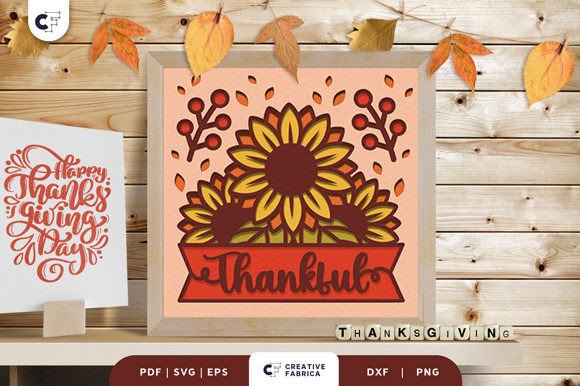
The transition into autumn often signals a shift in creative priorities, moving from the vibrant energy of summer to a more reflective, grounded approach. For creators, small business owners, and hobbyists alike, this season presents a unique opportunity to produce work that resonates on an emotional level. The Thanksgiving Sunflower 3D Shadow Box serves as more than just a decorative item; it is a tangible representation of gratitude that can be seamlessly integrated into various professional and personal workflows. By embracing the rustic charm of autumn with the Thankful Sunflower 3D SVG, you are not merely cutting paper; you are executing a project that captures the blooming beauty of a sunflower while reminding us to be grateful for the blessings in our lives.
In the context of a broader creative or business process, this project fits perfectly as a mid-season initiative. Whether you are a marketer looking to create engaging social media content, an educator planning classroom decor, or a freelancer seeking to expand your product line for the holidays, the implementation of this design requires strategic planning. The enchanting creation encapsulates beautiful warm hues, adding a touch of nature's splendor to your space, but its value extends beyond aesthetics. It acts as a focal point for community engagement, a gift for client appreciation, or a centerpiece for family gatherings. Understanding how to deploy this asset effectively ensures that it adds warmth and joy, capturing the essence of the season and inviting you to celebrate the spirit of thankfulness in a structured, meaningful way.
Strategic Preparation and Asset Compatibility
Successful execution of any layered paper craft begins with rigorous preparation. Before initiating the cut, it is essential to evaluate the compatibility of your digital assets with your physical tools. The Thankful Sunflower 3D SVG is designed to interact with standard industry equipment, ensuring a smooth workflow for users regardless of their preferred platform. To make this shadow box, you will need a cutting machine, such as a Cricut or Silhouette. These devices are staples in modern maker spaces and small business studios because of their precision and reliability.
The versatility of the file formats provided is a critical factor in maintaining workflow efficiency. You will receive the design in SVG, PDF, EPS, PNG, and DXF formats. This variety ensures compatibility across different software ecosystems. For instance, vector-based formats like SVG, EPS, and DXF are ideal for scaling the design without losing resolution, which is crucial if you plan to adapt the sunflower for larger signage or smaller embellishments. The PDF format offers a reliable backup for manual tracing or printing directly to cardstock if digital cutting isn't feasible for a specific iteration. Meanwhile, the PNG file serves as an excellent reference layer in design software, allowing you to visualize the final composition before committing materials.
Material selection is another pillar of quality control in this process. The structural integrity of a 3D shadow box relies heavily on the weight and texture of the paper used. All cardstock featured in the optimal build is Encore Cardstock 80 lb cover 216 gsm. This specific weight provides the necessary rigidity to hold the 3D shape while remaining flexible enough to adhere cleanly without cracking. Using lighter weight paper may result in a flimsy structure that fails to cast the intended shadows, while heavier board might strain the adhesive or the cutting blades. For those sourcing materials, consistency is key to maintaining a professional finish across multiple units. You can explore suitable options by visiting the 12×12 Cardstock Shop, a resource dedicated to high-quality crafting supplies.
Execution: Layering and Assembly Techniques
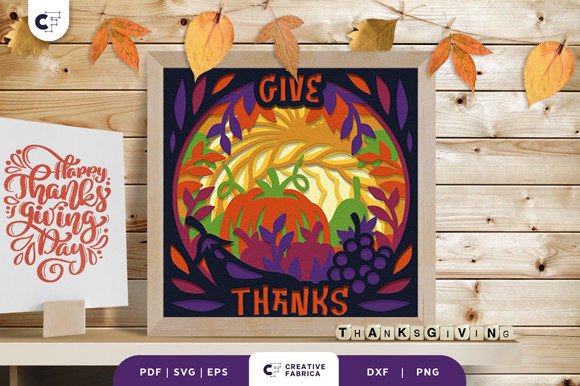
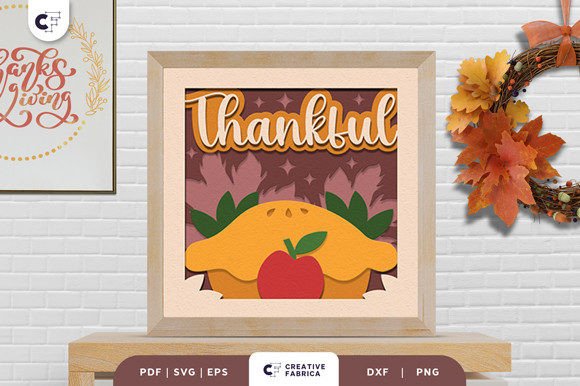
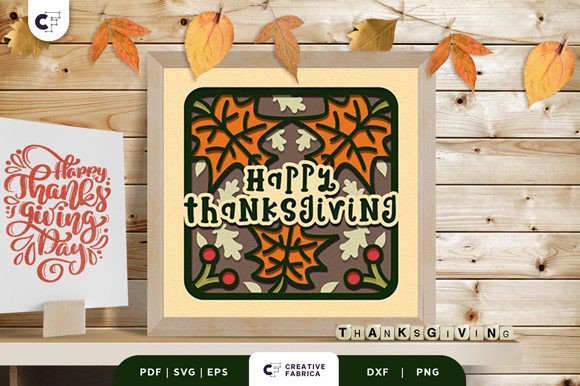
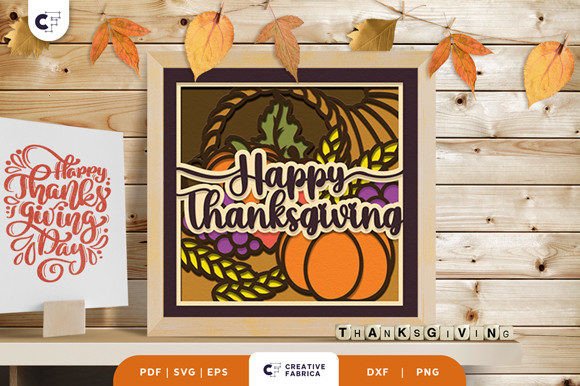
The core of this project lies in its dimensionality. With 6 distinct layers, the design relies on precise spacing to create depth and visual interest. The standard size of 20.32×20.32 cm (approximately 8x8 inches) makes it a versatile component that fits easily into standard frames or can stand alone as a tabletop display. During the assembly phase, the interaction between layers determines the final outcome. Utilizing 3D adhesive such as foam double-sided tape is non-negotiable for achieving the intended effect. This material creates the physical gap required for light to pass through and cast shadows, which is the defining characteristic of a shadow box.
From a process-oriented perspective, assembly should be treated as a linear production line. Start by organizing all cut pieces by layer number to prevent confusion. Apply the foam adhesive strategically; placing it behind the solid elements of the sunflower petals and leaves ensures that the negative space remains open for light transmission. This method not only enhances the visual appeal but also increases the durability of the piece, as the foam acts as a buffer against compression. For professionals producing these in batches, developing a jig or template for adhesive placement can significantly reduce assembly time and ensure consistency across all units.
Lighting plays a pivotal role in the final presentation. While the design is striking under ambient room light, integrating LED lights can elevate the project from a simple craft to a luminous art piece. Placing a small LED strip or puck light behind the back layer transforms the shadow box into a glowing beacon of autumn warmth. This addition is particularly effective for evening displays or retail window setups where drawing attention is paramount. When incorporating electronics, ensure that the wiring is concealed within the frame or behind the backing material to maintain a clean, professional aesthetic.
Integration into Business and Personal Workflows
For entrepreneurs and content creators, the Thanksgiving Sunflower 3D Shadow Box offers multiple avenues for integration. In a marketing workflow, the creation process itself can be documented and shared as "behind-the-scenes" content, fostering a connection with your audience by showcasing the craftsmanship involved. The final product can serve as a limited-edition gift for top-tier clients, reinforcing relationships through thoughtful, handmade gestures. Alternatively, educators can utilize this project as a lesson in geometry, layering, and seasonal history, providing students with a hands-on activity that yields a rewarding result.
Efficiency in deployment involves considering the end-use environment. If the goal is home decor, the focus should be on selecting a frame that complements the rustic theme—perhaps a distressed wood finish or a matte black border to contrast the warm yellows and oranges. For commercial applications, such as cafe decorations or event centerpieces, durability and ease of maintenance become primary concerns. Encapsulating the beautiful warm hues in a sealed frame protects the paper from dust and humidity, extending the lifespan of the decoration well beyond the holiday season.
It is also important to manage expectations regarding color fidelity. NOTE: The images are for preview purposes only. The actual final product color may slightly vary due to lighting sources and the paper color. This variance is a natural part of working with physical materials and digital representations. Professional creators account for this by ordering sample packs of cardstock to test how specific dyes interact with their chosen lighting conditions before committing to a large production run. This proactive step prevents discrepancies between the digital mockup and the physical reality, ensuring client satisfaction.
Long-Term Value and Seasonal Adaptability
Beyond the immediate Thanksgiving timeframe, the principles applied in creating this shadow box have long-term value. The skills developed in managing multi-layered SVG files, optimizing material usage, and mastering 3D adhesion techniques are transferable to countless other projects. The Thankful Sunflower 3D SVG can be adapted for different seasons by simply altering the color palette of the cardstock—swapping autumn oranges for spring pastels or winter whites—while retaining the same structural workflow. This adaptability maximizes the return on investment for the digital asset, allowing creators to reuse the design framework repeatedly.
Furthermore, the act of creating something centered on gratitude can have a positive impact on personal productivity and mental well-being. In a fast-paced professional environment, taking the time to engage in a tactile, mindful process like assembling a shadow box can serve as a reset mechanism. It encourages a pause to reflect on the "blessings in our lives," aligning the creative output with a deeper sense of purpose. Whether you are a busy freelancer needing a break from screen time or a business owner looking to infuse your brand with authenticity, this project bridges the gap between practical execution and emotional resonance.
Ultimately, the Thanksgiving Sunflower 3D Shadow Box is a testament to the power of thoughtful design and careful execution. By leveraging the right tools, materials, and methods, you can transform a digital file into a physical object that brings warmth and joy to any space. It invites you to celebrate the spirit of thankfulness not just as a concept, but as a crafted reality. As you move forward with your own projects, remember that the most impactful creations are those that blend technical precision with genuine human sentiment, creating a lasting impression that goes far beyond the season.