Crafting Depth and Tradition with Fall Harvest Cornucopias 3D Paper Cut Designs
The transition from the vibrant greens of summer to the amber and russet tones of autumn signals a shift in both our environment and our creative impulses. For designers, educators, and hobbyists alike, this season offers a rich tapestry of imagery to explore, none more iconic than the cornucopia. Traditionally known as the horn of plenty, this symbol represents abundance, nourishment, and the successful conclusion of the harvest. In recent years, the method of capturing this symbolism has evolved from flat illustrations to intricate Fall Harvest Cornucopias 3D Paper Cut projects. These designs do more than decorate; they transform two-dimensional materials into immersive visual experiences that celebrate the depth and texture of the season.
The Evolution of Seasonal Decor Through Layering
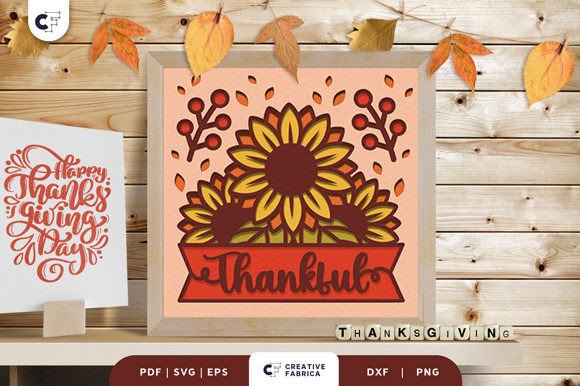
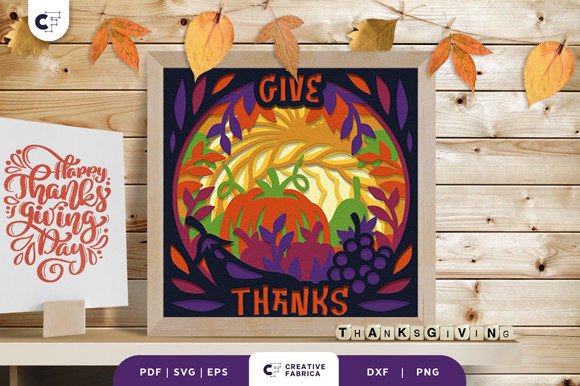
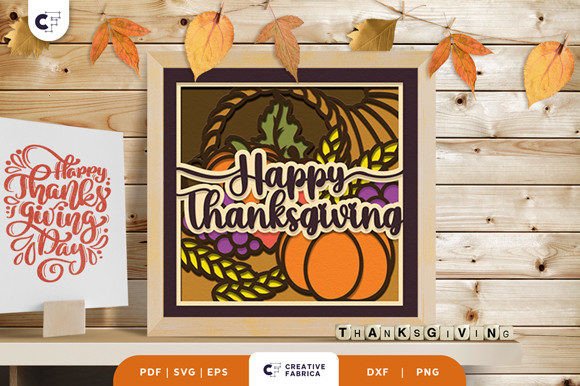
Paper crafting has long been a staple of seasonal decoration, but the introduction of layered shadow box techniques has revolutionized how we perceive paper art. Unlike traditional cutouts that rely on a single plane, a 3D shadow box utilizes multiple layers of cardstock, separated by adhesive spacers, to create genuine physical depth. When applied to the concept of a Fall Harvest Cornucopias 3D Paper Cut, this technique allows artisans to replicate the overflowing nature of the harvest basket with startling realism.
The magic lies in the interplay of light and shadow. As light hits the different elevations of the paper layers, soft shadows are cast, enhancing the perception of volume. A pumpkin in the foreground appears rounder; grapes in the mid-ground seem to tumble out of the basket; and wheat stalks in the background provide a textured horizon. This dimensional approach turns a simple silhouette into a scene that invites the viewer to look closer, discovering new details with every shift in perspective. It is a testament to how modern digital design tools can breathe new life into ancient symbols.
Technical Specifications and Material Considerations
Creating a high-quality shadow box requires more than just a good design file; it demands an understanding of materials and structural integrity. The foundation of any successful Fall Harvest Cornucopias 3D Paper Cut project is the cardstock itself. Professional results often depend on using heavy-weight paper, such as 80 lb cover (216 gsm). This weight is crucial because it must hold its shape without warping under the tension of the adhesive or the weight of upper layers. Lighter papers may buckle, ruining the clean lines essential for the 3D effect.
The standard dimensions for these projects often hover around 20.32×20.32 cm (approximately 8x8 inches), a size that fits perfectly into standard square frames while offering enough surface area for detailed cutting. However, the true complexity is found in the layer count. A robust design typically features around ten distinct layers. Each layer serves a specific purpose: some define the outer frame, others create the basket weave, and the topmost layers highlight the individual fruits and vegetables. Managing ten layers requires precision in assembly to ensure the spacing remains consistent, preserving the intended depth of field.
Essential Tools for Precision Cutting
To execute these designs effectively, manual cutting with scissors or X-Acto knives is often impractical due to the intricacy of the vectors. Instead, digital die-cutting machines have become the industry standard for both small businesses and serious hobbyists. Devices like the Cricut or Silhouette are capable of interpreting complex vector paths found in files formatted as SVG, DXF, or EPS. These machines ensure that every curve of a pear and every strand of wheat is cut with uniform accuracy.
Once the pieces are cut, the assembly phase begins. This is where 3D adhesive, specifically foam double-sided tape, becomes indispensable. Regular glue would flatten the design, negating the shadow box effect. Foam tape provides the necessary lift between layers. The thickness of the tape can be varied to adjust the depth, allowing the creator to emphasize certain elements over others. For those looking to elevate the project further, the integration of LED lights within the frame can dramatize the shadows, turning the paper cut into a glowing centerpiece that mimics the warm glow of candlelight often associated with Thanksgiving dinners.
Diverse Applications Beyond Home Decoration
While the most immediate application for a Fall Harvest Cornucopias 3D Paper Cut is home decor, the utility of these designs extends far beyond the living room mantle. Educators, for instance, can utilize these projects as powerful teaching tools. In an art classroom, assembling a ten-layer shadow box teaches students about spatial reasoning, color theory, and the physics of light. It provides a hands-on lesson in how two-dimensional shapes can construct three-dimensional forms, bridging the gap between digital design and physical craft.
In the realm of commercial design and retail, these assets offer versatile marketing opportunities. Boutique owners can use framed versions as window displays to attract customers during the autumn shopping season. The tactile nature of paper art stands out in a world dominated by digital screens, drawing the eye of passersby. Furthermore, graphic designers can incorporate the individual layers of these cut files into broader branding campaigns, using the isolated elements of pumpkins, gourds, and grains for packaging design, greeting cards, or textile patterns.
Event planners also find value in these designs. A large-scale version of the cornucopia can serve as a unique backdrop for photo booths at harvest festivals or corporate Thanksgiving events. By scaling up the design and using sturdier materials, the aesthetic of the shadow box can be translated into an immersive environment. The modularity of the layers means that parts of the design can be rearranged or colored differently to match specific event themes, offering a level of customization that pre-made decorations cannot match.
Workflow Strategies for Optimal Results
Successfully bringing a Fall Harvest Cornucopias 3D Paper Cut to life requires a disciplined workflow. The process begins with file preparation. Designers typically receive these assets in a variety of formats including SVG, PDF, EPS, PNG, and DXF. Choosing the right format depends on the software and hardware being used. Vector formats like SVG and DXF are preferred for cutting machines as they retain scalability without losing resolution. Raster formats like PNG are useful for previewing the final look or for digital mockups but are not suitable for cutting intricate details.
Color selection is another critical phase. While the digital preview provides a guide, the final product's appearance is heavily influenced by the physical paper chosen. Natural lighting conditions and the specific texture of the cardstock can alter how colors are perceived. A deep orange on a screen might appear burnt or muted when printed on matte cardstock versus glossy. Creators are encouraged to test cut a single layer before committing to the full ten-layer assembly. This "proofing" stage helps identify potential bridging issues—where small details might fall out during cutting—and allows for adjustments in blade pressure and speed.
Assembly should be approached methodically, usually from the background layer forward. Keeping the workspace clean is vital, as dust or stray paper fibers trapped between layers can disrupt the adhesion or create unwanted bumps. Using tweezers for placing small decorative elements ensures precision. If incorporating LED lights, wiring must be planned and secured before the final backing is applied, ensuring that the light source does not interfere with the structural stability of the frame.
The Intersection of Digital Convenience and Analog Craft
The popularity of files like the Fall Harvest Cornucopias 3D Paper Cut highlights a growing trend where digital convenience meets analog satisfaction. Consumers and creators no longer need to draft complex geometric patterns from scratch. Accessible design files allow individuals to focus on the tactile joy of making—the smell of the paper, the sound of the machine, and the satisfaction of peeling away the waste material. This democratization of design enables people with varying skill levels to produce professional-grade art.
However, this accessibility does not diminish the skill involved in the finishing touches. The choice of frame, the quality of the adhesive, and the careful alignment of layers remain entirely in the hands of the maker. It is this hybrid workflow that defines modern crafting. The computer handles the mathematical precision of the curves and angles, while the human hand manages the nuance of texture, lighting, and composition. The result is a piece of art that feels both technically perfect and warmly handmade.
Sustainability and Material Choices
In an era where environmental consciousness is paramount, paper crafts offer a sustainable alternative to plastic decorations. Paper is biodegradable and often sourced from renewable forests. When creating a Fall Harvest Cornucopias 3D Paper Cut, creators have the opportunity to make eco-friendly choices by selecting recycled cardstock or papers certified by sustainable forestry initiatives. Unlike mass-produced plastic decor that ends up in landfills after a single season, a well-crafted paper shadow box can be stored carefully and reused for years, or even disassembled and recycled at the end of its lifecycle.
Furthermore, the longevity of paper art, when protected behind glass in a frame, is significant. It resists fading better than many synthetic fabrics and does not degrade quickly if kept out of direct, harsh sunlight. This durability makes it a wise investment for those looking to build a collection of seasonal decor that can be passed down or enjoyed annually without the need for replacement.
Final Thoughts on Creative Implementation
The Fall Harvest Cornucopias 3D Paper Cut represents more than just a holiday decoration; it is a convergence of tradition, technology, and artistic expression. Whether utilized by a teacher to explain geometry, a business owner to enhance storefront appeal, or a parent to create a family memory, the potential applications are vast. The key to success lies in respecting the materials, understanding the layering process, and embracing the unique characteristics that paper brings to the table. By combining precise digital files with thoughtful manual assembly, creators can produce stunning visual narratives that capture the essence of abundance and the warmth of the autumn season.
As you embark on your own projects, remember that the final outcome is a collaboration between the designer's vision and your execution. Pay attention to the weight of your cardstock, the quality of your adhesives, and the lighting in your display space. With these elements in harmony, the humble sheet of paper transforms into a window of depth, inviting everyone who sees it to feast their eyes on the bounty of the harvest.