Mastering 3D Western Tumbler Wrap Designs for Professional Sublimation Results
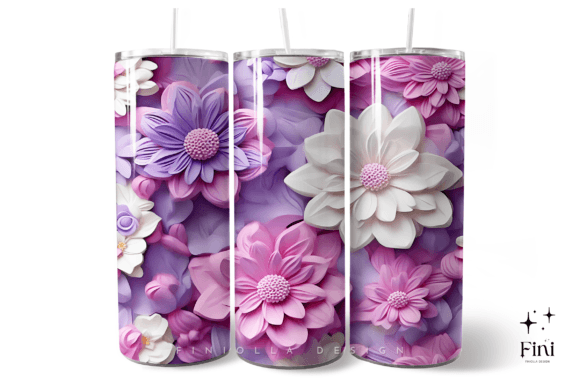
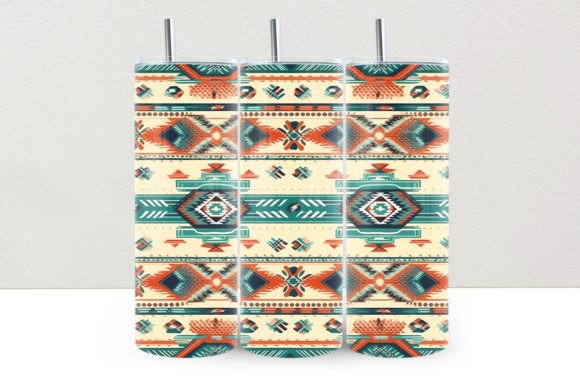
The allure of the custom tumbler market lies in its blend of utility and personal expression, and nothing captures attention quite like a well-executed western-themed design. When you dive into 3D Western Tumbler Wrap Designs, you are stepping into a niche that demands precision. These designs are not just flat images; they are engineered to wrap around the curvature of a 20oz slim cup, creating an immersive visual experience that mimics depth and texture. However, the gap between downloading a file and holding a flawless physical product is often bridged by technical knowledge that many beginners overlook. Understanding the specifics of your digital assets before you ever touch a heat press is the difference between a best-selling item and a wasted blank.
The Critical Importance of File Specifications
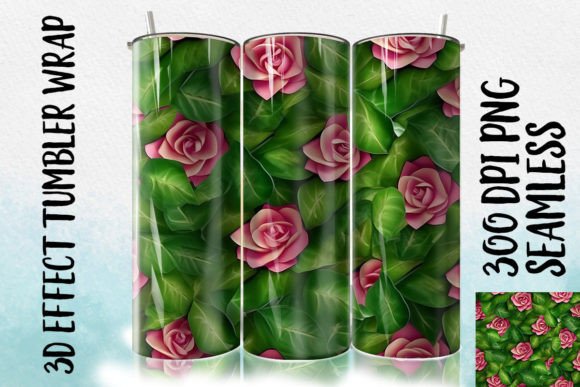
One of the most common misunderstandings new creators face involves the technical specifications of their digital downloads. You might see a listing offering high-quality PNG files and assume that "high quality" automatically means "ready to print perfectly." This is a dangerous assumption. For sublimation, the standard is non-negotiable: you need files at 300 DPI (dots per inch). If you attempt to stretch a lower-resolution image to fit a 20oz tumbler, the result will be pixelation and blurriness, ruining the crisp lines essential for western motifs like leather textures or intricate lassos.
In this specific context, you are working with two distinct file types: one straight and one tapered. The inclusion of a tapered PNG is a crucial detail often ignored by novices. A 20oz slim cup is not a perfect cylinder; it narrows slightly toward the bottom. If you use only the straight file on a tapered cup, your design will distort, causing elements at the bottom to stretch unnaturally while the top remains compressed. Always verify that your download includes both variations. Using the correct tapered file ensures that your 3D western elements maintain their proportion and realism from rim to base.
Navigating Licensing and Commercial Rights
Another area where confusion frequently arises is regarding what you can actually do with the file once purchased. It is vital to read the license terms carefully to avoid legal pitfalls or account suspensions on marketplaces. Typically, when you buy a design like this, you are purchasing a license to create physical products for sale. This means you can sublimate the design onto tumblers, mugs, or other hard goods and sell those finished items to customers. This is an excellent model for small business owners and entrepreneurs looking to expand their inventory without hiring a graphic designer.
However, there is a strict boundary you must not cross: you cannot resell or give away the digital file itself. The file remains the intellectual property of the creator. Sharing the PNG via email, uploading it to a free download site, or selling it as a digital asset on another platform is a violation of terms. Think of it this way: you are buying the ingredients to bake a cake to sell at your bakery, not the recipe to sell to other bakers. Respecting these boundaries protects the ecosystem for designers and ensures you remain a reputable seller.
Equipment Readiness and Process Expectations
Prior knowledge of sublimation is not just a suggestion; it is a requirement. A frequent mistake among hobbyists is purchasing a design before ensuring they have the necessary software and hardware to execute the job. The seller provides the art, not the technical support for your heat press settings, color profiles, or printer maintenance. If your colors come out washed out or your image is misaligned, the issue likely lies in your workflow, not the file.
Before committing to a purchase, ask yourself if you understand how to mirror your image, manage ICC color profiles, and set the correct time and temperature for your specific tumbler material. Sublimation is a chemical process where ink turns to gas under heat; if your pressure is uneven or your timing is off, the 3D effect of the western design will fail to pop. Furthermore, ensure you have the right software to handle large PNG files. While the file size is manageable at 9.3 x 8.2 inches, manipulating these layers requires a program capable of handling high-resolution graphics without crashing.
Versatility Beyond the Tumbler
While the primary use case for these files is the 20oz slim cup, limiting your imagination to just one product type is a missed opportunity. The beauty of a high-resolution, 300 DPI PNG is its scalability. As long as you do not enlarge it beyond its resolution limits, you can adapt these western wraps for various projects. Consider using them on printable vinyl for stickers, thermal transfer paper for apparel, or even water slide decals for ceramics and glassware.
This versatility allows you to create cohesive product lines. Imagine offering a matching set: a sublimated tumbler, a sticker for a laptop, and a decal for a truck window, all featuring the same stunning 3D western artwork. This approach maximizes the value of your purchase and appeals to customers who want a unified aesthetic. Just remember that different substrates require different preparation and pressing techniques. What works for a coated tumbler may not work for a cotton t-shirt, so always test your materials.
Checklist for a Successful Project
To ensure your next project is a success, take a moment to review your setup against these practical checkpoints:
- Verify File Integrity: Immediately after downloading, open both the straight and tapered PNGs to ensure they are not corrupted and display at 300 DPI.
- Confirm Dimensions: Check that the 9.3 x 8.2-inch layout fits your specific tumbler wrap template, accounting for any overlap needed for your heat press method.
- Review License Terms: Re-read the usage rights to confirm you are selling physical goods and not distributing digital files.
- Test Your Workflow: If you are new to sublimation, run a test print on plain paper to check sizing and color before using expensive sublimation paper and blanks.
- Prepare Your Blanks: Ensure your 20oz slim cups are clean, free of dust, and specifically coated for sublimation to guarantee vibrant color transfer.
By approaching 3D Western Tumbler Wrap Designs with a mindset focused on preparation and technical accuracy, you transform a simple digital download into a high-value product. The market is full of opportunities for those who pay attention to the details. Avoid the trap of rushing the process; instead, invest time in understanding your tools and respecting the craft. When you combine high-quality assets with skilled execution, the results speak for themselves, delivering professional-grade tumblers that customers love to buy and use.