Spooky 3D Shadow Box: Vampire & Spider Web
There is something undeniably magical about the way light interacts with paper to create depth, shadow, and atmosphere. When you combine this technique with classic Halloween imagery, the result is a captivating display that transforms a simple wall into a window onto a spooky world. The Vampire and Spider Web 3D Shadow Box represents more than just a seasonal decoration; it is a layered narrative crafted from cardstock, inviting viewers to peer into a miniature mansion where a cute vampire, flickering candles, and silent bats reside. Whether you are a seasoned papercraft artist or someone looking for their first creative project this October, understanding the mechanics and appeal of this design can help you decide how best to bring this festive spirit into your space.
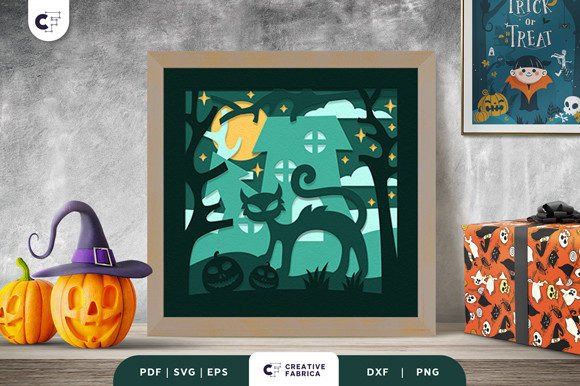
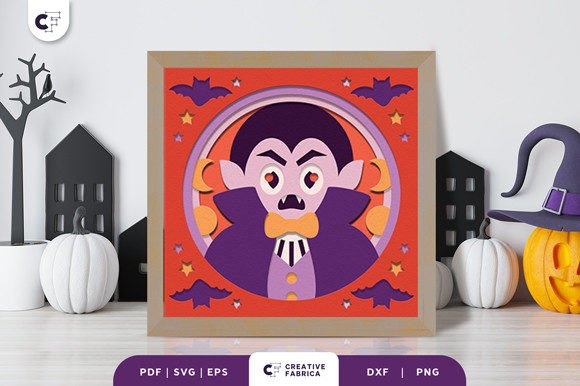
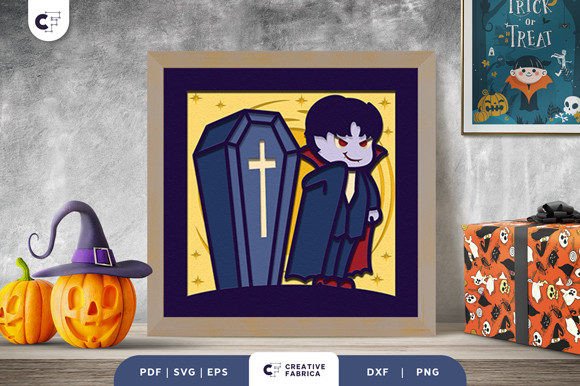
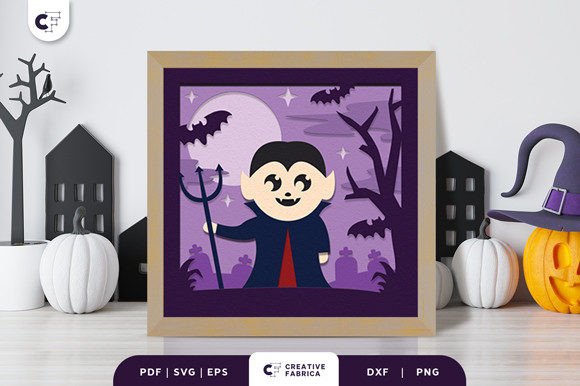
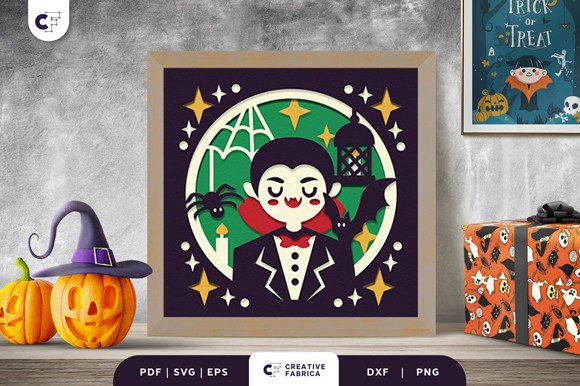
At its core, this project is a study in dimensionality. Unlike a flat print, a 3D shadow box relies on the strategic stacking of multiple layers to simulate distance and perspective. The specific design featuring a vampire in a mansion utilizes six distinct layers, each cut with precision to reveal elements of the scene behind it. When assembled within a frame measuring approximately 20.32×20.32 cm, these layers create a tunnel effect. The foreground might feature intricate spider webs or gothic architectural details, while the background sets the mood with a full moon or dark sky. The interplay of light passing through these gaps casts real shadows, enhancing the creepy yet charming aesthetic that defines a lovely Halloween celebration.
Why This Design Resonates Across Different Creators
The appeal of the Vampire and Spider Web 3D Shadow Box varies significantly depending on who is holding the cutting mat. For a beginner hobbyist, the primary draw is often the structured guidance and the promise of a professional-looking result without needing years of experience. Because the design comes in versatile formats like SVG, PDF, EPS, PNG, and DXF, it integrates seamlessly with various cutting machines. A novice can follow a straightforward workflow: choose the file, cut the layers using recommended 80 lb cover cardstock, and assemble them from back to front. The satisfaction comes from seeing a complex image emerge from simple sheets of paper, providing a tangible sense of accomplishment.
Conversely, for professional creators and entrepreneurs, the value proposition shifts toward efficiency and commercial potential. Small business owners who sell handmade goods on platforms like Etsy or at local craft fairs look for designs that offer high visual impact but remain feasible to produce in small batches. The six-layer structure strikes a balance; it is detailed enough to command a higher price point than a single-layer cutout but not so labor-intensive that it becomes unprofitable. For these users, the reliability of the file formats and the clarity of the layering instructions are critical. They evaluate the design based on how quickly they can source materials, such as the specified Encore Cardstock, and how consistently they can replicate the final product for customers.
Tailoring the Project to Your Skill Level and Goals
One of the most practical aspects of this shadow box is its adaptability. Educators and parents might see this as an excellent opportunity for teaching spatial reasoning and fine motor skills to older children or teenagers. In a classroom setting, the project can be broken down into manageable steps, allowing students to focus on one layer at a time. The theme of a "cute vampire" ensures the content remains festive rather than terrifying, making it suitable for school hallways or community centers. Here, the priority is less about perfect precision and more about the learning process and the joy of collaborative creation.
For interior designers and home decorators, the evaluation criteria focus on aesthetics and integration with existing decor. The neutral size of 20.32×20.32 cm allows it to fit into standard frames, making it easy to incorporate into gallery walls or entryway displays. These consumers care deeply about the quality of the finish. They might experiment with different colored cardstocks to match their specific color palette—perhaps swapping traditional black and orange for a monochromatic silver and grey scheme to suit a modern Gothic interior. The note that final product colors may vary slightly due to lighting and paper choice is particularly relevant here, as they view the shadow box as a permanent or semi-permanent fixture in their home environment.
Practical Steps for Assembly and Customization
Regardless of your background, the assembly process follows a logical progression that ensures structural integrity and visual clarity. To achieve the best results, consider the following approach:
- Select Your Materials: Start by choosing a frame that fits the 20.32×20.32 cm design depth. Ensure you have enough cardstock; 80 lb cover (216 gsm) is ideal because it is sturdy enough to hold its shape without warping, yet thin enough to allow for clean cuts.
- Cutting Precision: Load your chosen file format into your cutting machine. Double-check that the blade is sharp to handle the intricate details of the spider webs and vampire features.
- Layering Strategy: Always begin with the last layer (the background) at the bottom of the frame. Work forward, adding spacing between layers using foam tape or glue dots. This spacing is crucial for creating the shadow effects that give the box its 3D name.
- Lighting Considerations: Once all layers are secured, close the shadow box. For an enhanced effect, consider adding a small LED strip or puck light inside the frame before sealing it completely. This illuminates the scene from within, making the vampire and bats appear to glow against the night sky.
It is important to remember that while the provided images serve as a preview, your final creation is a unique interpretation. The type of paper you select—whether it has a textured finish, a metallic sheen, or a matte surface—will drastically alter how light reflects off the cut edges. Marketers and bloggers documenting their crafting journey often highlight this variability, showing how the same digital file can yield vastly different physical products based on material choices.
Making the Right Choice for Your Next Project
Ultimately, deciding whether the Vampire and Spider Web 3D Shadow Box is right for you depends on what you hope to achieve. If you are seeking a quick, low-cost activity to fill a weekend, the pre-designed layers offer a streamlined path to success. If you are a freelancer looking to expand your portfolio with dimensional paper art, this design provides a solid foundation upon which to build more complex variations. And if you are simply a consumer wanting to add a touch of whimsical horror to your home, the end result offers a charming centerpiece that captures the essence of the season.
The versatility of the file formats ensures that no matter your technical setup, you can access the design. From the simplicity of a PNG for visual reference to the editability of an SVG for custom modifications, the tools are there to support your creativity. By understanding the layers involved—from the initial cut to the final illumination—you can approach the project with confidence, knowing that the spooky elements of candles, bats, and our friendly vampire host will come together to create a display that is both lovely and creepy. Whether for personal enjoyment, educational purposes, or commercial sale, this shadow box stands as a testament to the enduring power of paper crafting to bring stories to life in three dimensions.