Strategic Design Decisions: Leveraging the 3D Spider Web Shadow Box SVG for High-Impact Visuals
In the realm of visual communication and seasonal branding, the difference between a generic decoration and a memorable brand asset often lies in the depth of execution. The 3D Spider Web Shadow Box SVG represents more than just a Halloween craft; it is a tangible example of how layered design thinking can elevate a simple concept into a strategic tool for engagement. For creators, small business owners, and marketers looking to capture attention during the competitive autumn season, understanding the mechanics and application of this specific digital format is crucial. This approach moves beyond mere aesthetics, focusing on how intentional design choices—such as layering, lighting, and color theory—can drive better results in customer experience and brand positioning.
The Strategic Value of Layered Depth in Visual Assets
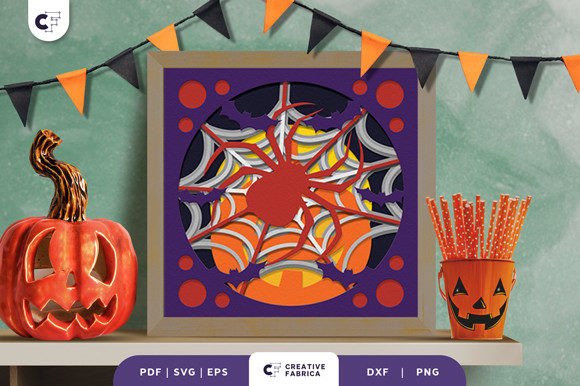
At its core, the 3D Spider Web Shadow Box SVG is a digital blueprint designed for precision cutting machines like Cricut or Silhouette. However, its utility extends far beyond the cutting mat. The defining feature of this design is the spider, positioned prominently within a complex network of webs, set against a backdrop that often includes thematic elements like a scary pumpkin. This composition utilizes ten distinct layers to create a sense of physical depth that flat graphics simply cannot achieve.
From a strategic perspective, depth commands attention. In a marketplace saturated with two-dimensional digital ads and flat print materials, a three-dimensional object interrupts the pattern of consumer behavior. When used in a retail window display, a lobby reception area, or as part of a product unboxing experience, the shadow box acts as a focal point. It signals to the audience that care and detail were invested in the presentation. This perception of quality transfers to the brand itself. By deploying a 3D Spider Web Shadow Box SVG, you are not just decorating; you are curating an environment that suggests professionalism and creativity.
Planning and Execution: From Digital File to Physical Impact
Successful implementation of any design asset requires a clear plan. The transition from a digital file to a finished shadow box involves several critical decision points that determine the final outcome. The standard size for this particular template is 20.32×20.32 cm, a dimension that offers versatility for both desktop displays and larger wall arrangements. To maximize the potential of this format, one must consider the materials and assembly process as part of the broader strategy.
The construction process is straightforward but demands precision. It begins with printing the format and utilizing a cutting machine to isolate the ten layers. The choice of material is paramount; for instance, using Encore Cardstock 80 lb cover (216 gsm) ensures structural integrity. Thinner papers may warp or fail to hold the spacing required for the 3D effect, diminishing the visual impact. Once cut, the assembly involves using double tape or glue to adhere the layers to the frame. This step is where the "shadow" effect is born—the spacing between layers allows light to cast subtle shadows, enhancing the texture of the spider webs and the ominous presence of the central spider.
Furthermore, the integration of LED lighting transforms the project from a static decoration into a dynamic lightbox. This addition is not merely decorative; it changes the mood and visibility of the piece. For a business owner, a lit shadow box in a dimly lit corner of a store can draw the eye more effectively than a standard poster. The decision to add light should be weighed against the intended placement and the atmosphere you wish to cultivate.
Customization as a Branding Tool
One of the most powerful aspects of the 3D Spider Web Shadow Box SVG is its adaptability. While the design suggestion often features vibrant colors to stand out, the true strategic advantage lies in the ability to customize the color combination to fit a specific brand identity or personality. A corporate entity might opt for a monochromatic scheme using blacks, grays, and a singular accent color that matches their logo, thereby maintaining brand consistency even within a seasonal theme. Conversely, a children's educator or a family-oriented blog might choose softer, less intimidating hues to create a playful rather than scary atmosphere.
This flexibility allows the shadow box to serve as a representative of your fitted personality or brand voice. It avoids the pitfall of looking like a mass-produced, off-the-shelf item. When customers or clients see a customized element, they perceive a higher level of engagement. It suggests that the creator understands their audience well enough to tailor the experience. Whether you choose traditional orange and black or a modern neon palette, the key is intentionality. Every color choice should support the broader message you are trying to convey.
Risk Management and Contextual Awareness
While the potential for impact is high, relying on decorative elements without a clear goal can lead to wasted resources and mixed messaging. A primary risk in using a 3D Spider Web Shadow Box SVG is context mismatch. If the aesthetic of the shadow box clashes with the surrounding environment or the core values of the brand, it can appear disjointed or unprofessional. For example, a highly gruesome design might alienate a conservative clientele, while a overly whimsical version might undermine a serious professional setting.
Additionally, there is the risk of poor execution due to inadequate planning. As noted, the final product color may vary slightly due to lighting sources and paper color. Failing to test materials beforehand can result in a finished product that looks dull or fails to pop. Entrepreneurs and creators must treat this as a prototype process. Test different cardstock weights, experiment with lighting angles, and preview the design in the actual space where it will be displayed before committing to a large production run. Understanding these variables prevents the "preview only" disclaimer from becoming a reality in your final output.
Operational Efficiency and File Versatility
From an operational standpoint, the value of this asset is reinforced by its file compatibility. Receiving the design in multiple formats—SVG, PDF, EPS, PNG, and DXF—ensures that it can be integrated into various workflows regardless of the software or hardware available. This versatility reduces friction in the production process. A freelancer working with a client who uses different design software can easily accommodate their needs without requiring costly conversions or losing vector quality.
The availability of these formats supports scalability. Whether you are creating a single unit for a home office or producing dozens for a chain of retail locations, the digital foundation remains robust. The SVG and DXF files are particularly critical for cutting machines, ensuring clean lines and accurate layer alignment. The PDF and PNG options serve well for digital previews, marketing materials, or instructions for team members who may not have access to specialized cutting equipment but need to visualize the end goal.
Long-Term Results and Creative Investment
Investing time in creating a high-quality 3D shadow box yields long-term benefits beyond the immediate Halloween season. It serves as a case study in creative problem-solving and resource management. For educators, it provides a hands-on lesson in geometry, light, and art. For marketers, it is a tactile touchpoint that enhances customer memory retention. People remember what they see and feel; a well-crafted shadow box engages multiple senses.
Moreover, the skills developed through this process—layering, material selection, lighting integration—are transferable to other projects. The mindset of turning a flat digital file into a dimensional object encourages innovation. It pushes creators to think about how their digital assets can manifest in the physical world. This bridge between digital design and physical fabrication is increasingly valuable in an era where omnichannel presence is expected.
Ultimately, the 3D Spider Web Shadow Box SVG is a tool for those who refuse to settle for the ordinary. It requires a thoughtful approach to planning, a keen eye for detail, and a willingness to experiment with light and color. By treating this design not just as a holiday decoration but as a strategic component of your visual identity, you can achieve better results in engagement, branding, and creative expression. The spider may be the main feature, but the real value lies in the web of strategy woven around it.
- Material Selection: Always verify cardstock weight (e.g., 80 lb cover) to ensure layers hold their shape.
- Lighting Strategy: Decide early whether an LED lightbox effect aligns with your placement goals.
- Color Psychology: Choose color combinations that reflect your specific brand personality rather than defaulting to tradition.
- File Preparation: Utilize the provided SVG or DXF files for precise machine cutting to maintain layer integrity.
- Context Check: Ensure the scariness level of the pumpkin and spider fits your specific audience demographic.
By adhering to these principles, you transform a simple download into a significant asset. The effort put into constructing the 3D feature pays dividends in the form of distinctiveness and quality. In a world where attention is the scarcest resource, providing something with depth—both literally and figuratively—is a sound strategic move.